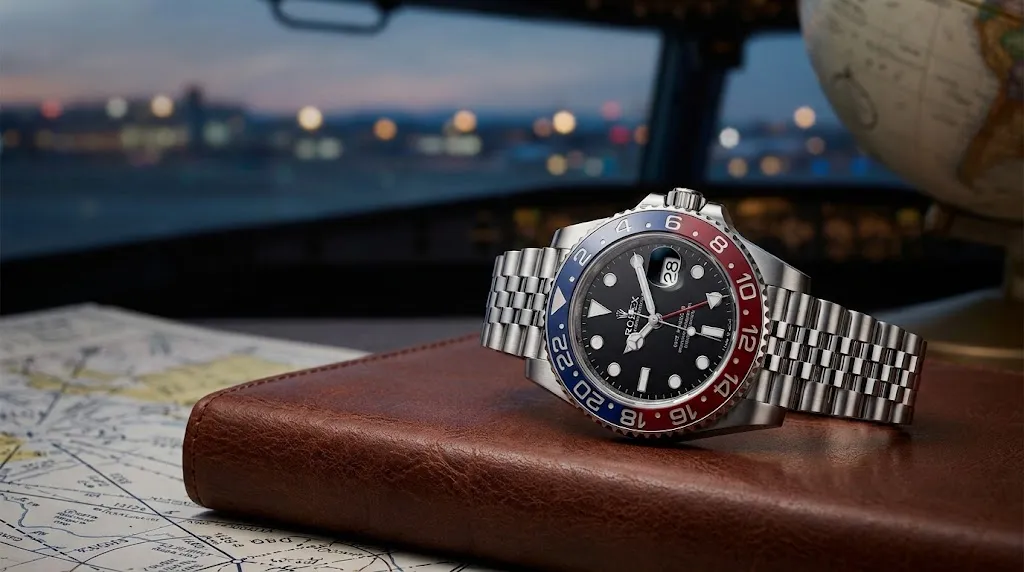
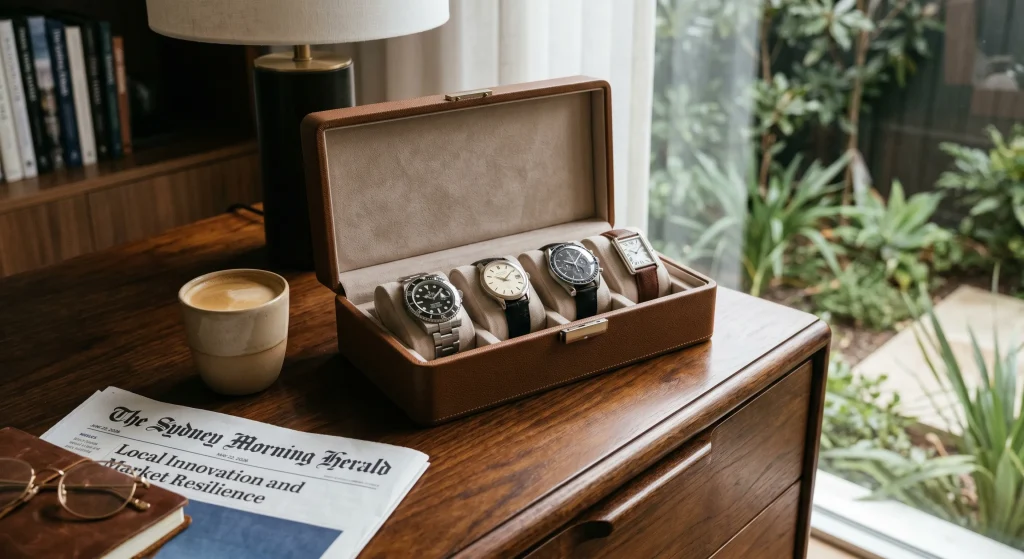
Stepping into the world of luxury watches, one brand invariably dominates the conversation: Rolex. The name itself conjures images of success, precision, and an undeniable aura of exclusivity. But for many, the immediate question that follows is, “Why are Rolex watches so expensive?”
It’s a valid query, especially when comparing them to other high-quality timepieces. You see a price tag that could rival a decent used car, and the natural inclination is to understand what truly justifies such a premium.
This isn’t about simply listing features; it’s about dissecting the very essence of what makes a Rolex command such a price. It’s an exploration into the meticulous alchemy of materials, human skill, historical significance, and brilliant marketing that culminates in a product that transcends mere timekeeping. As we unpack the layers, you’ll discover that the cost isn’t arbitrary; it’s a reflection of an unparalleled commitment to excellence in every facet of its existence.
Unpacking Rolex’s Value Proposition
A Rolex isn’t just a device that tells time; it’s a meticulously engineered marvel, a testament to enduring craftsmanship, and a powerful symbol. Its value proposition extends far beyond the ticking hands and polished case. It’s a confluence of unparalleled quality, a rich history of innovation, strategic brand positioning, and, surprisingly, a compelling financial argument.
When you invest in a Rolex, particularly iconic models like the Rolex Daytona, you’re not just buying a watch; you’re buying into a legacy, a standard of excellence, and an item that often appreciates rather than depreciates.
Imagine a master chef meticulously selecting each ingredient, not just for taste, but for provenance, texture, and the way it harmonises with others. That’s the Rolex approach. Every component, every process, every design choice is made with an uncompromising pursuit of perfection. This pursuit culminates in a product that is not only functional but also a work of art, a piece of history, and a tangible asset. Let’s delve into the five core reasons why these horological masterpieces command their impressive price tags.
Uncompromising Craftsmanship and Materials
At the heart of every Rolex lies an unwavering commitment to craftsmanship and the use of superior materials. This isn’t just marketing rhetoric; it’s a tangible reality that sets the brand apart. Imagine a craftsman dedicating years to perfecting a single technique, or a metallurgist spending countless hours refining an alloy to achieve unparalleled resilience. This level of dedication defines Rolex.
The Art of In-House Manufacturing
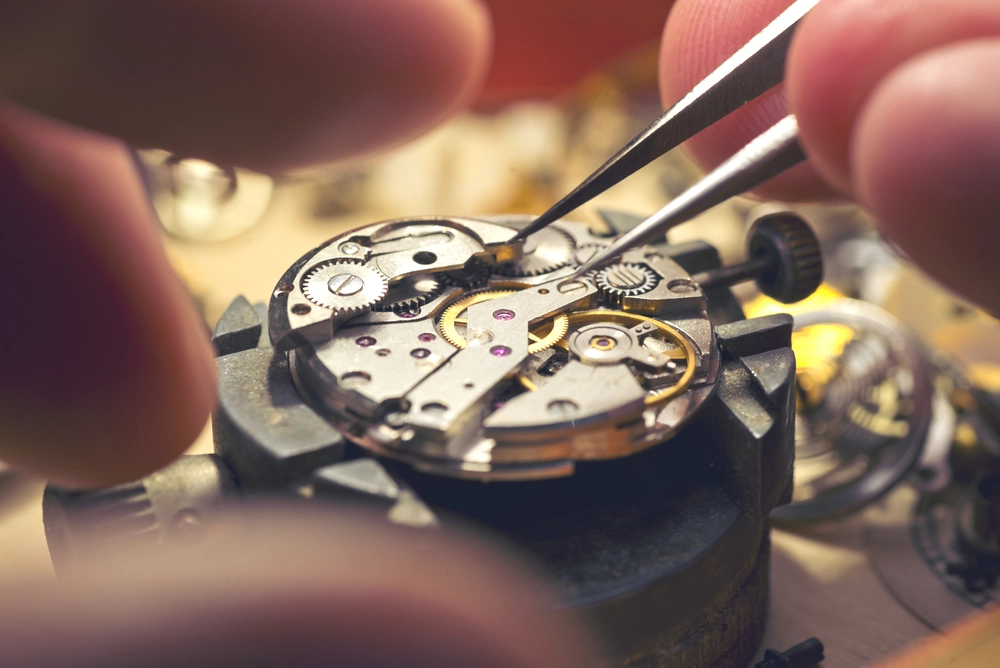
Perhaps the most significant differentiator for Rolex is its nearly complete in-house manufacturing process. Unlike many watch brands that rely on external suppliers for various components, Rolex designs, develops, and produces almost every single part of its watches, from the smallest screws to the complex movements and even the gold alloys themselves, within its own state-of-the-art facilities.
This level of vertical integration demands enormous investment in technology, infrastructure, and skilled labour, but it grants Rolex complete control over quality at every stage. Rather than assembling outsourced parts, Rolex creates its watches from raw material to finished piece, ensuring absolute consistency and precision.
The Allure of Precious Metals and Proprietary Alloys
Rolex doesn’t just use gold; they create their own. Their foundry produces 18 ct gold alloys in yellow, white, and Everose (their proprietary pink gold blend). They also develop and manufacture their own Oystersteel, a superalloy from the 904L family, known for its exceptional corrosion resistance and high polishability, far exceeding the 316L stainless steel commonly used in the watch industry.
Think of it like a bespoke suit tailor who not only designs the suit but also weaves the very fabric from the finest threads. This control over raw materials ensures purity, consistency, and specific performance characteristics that other brands simply can’t replicate. The Everose gold, for instance, is designed to retain its rich colour over time, resisting the fading often seen in other pink gold alloys. These aren’t just material choices; they’re strategic engineering decisions that contribute directly to the watch’s longevity, aesthetic appeal, and ultimately, its value.
Rolex’s Precision Movements
The “engine” of any mechanical watch is its movement, and Rolex movements are renowned for their precision, reliability, and durability. Each movement is a miniature marvel, containing hundreds of tiny, intricately crafted components working in perfect harmony. Rolex movements are chronometer-certified by COSC (Contrôle Officiel Suisse des Chronomètres), an independent Swiss testing institute, before undergoing an even more stringent in-house certification process, guaranteeing an accuracy of -2/+2 seconds per day.
This level of precision is not achieved by chance. It’s the result of decades of research and development, innovative design, and meticulous hand-finishing by master watchmakers. Consider the Parachrom hairspring, developed and manufactured by Rolex, made from a paramagnetic alloy that offers greater resistance to shocks and temperature variations than traditional hairsprings.
This isn’t just about telling time; it’s about telling time with unwavering, almost perfect, consistency, day after day, year after year. It’s the silent, steady heartbeat of a living machine, a testament to unparalleled horological excellence.
A Legacy of Innovation and Engineering Prowess
Rolex isn’t merely a follower of tradition; it’s a trailblazer in horological innovation. From its earliest days, the brand has been driven by a relentless pursuit of engineering excellence, pushing the boundaries of what a wristwatch could achieve. This history of innovation is woven into the very fabric of its identity and significantly contributes to its perceived and actual value.
From Waterproofing to Perpetual Motion
Rolex has a storied history of inventing and perfecting critical features that we now take for granted in modern watches. In 1926, they introduced the Oyster case, the first truly waterproof wristwatch case, famously worn by Mercedes Gleitze during her swim across the English Channel.
This wasn’t just a gimmick; it was a groundbreaking achievement that revolutionised watchmaking.
Then came the Perpetual rotor in 1931, the world’s first self-winding mechanism for wristwatches. This innovation freed wearers from the need to manually wind their watches, a convenience that became a standard across the industry.
Rolex continued to innovate, introducing the first wristwatch with an automatically changing date on the dial (Datejust, 1945) and the first waterproof wristwatch to indicate two different time zones simultaneously (GMT-Master, 1955).
Each of these “firsts” represents significant engineering challenges overcome and a commitment to solving practical problems for their wearers. They weren’t just making watches; they were defining what a watch could be.
Rigorous Testing and Quality Control
Innovation is only as good as its execution, and this is where Rolex’s rigorous testing and quality control come into play.
Every single Rolex watch, after its movement has been COSC certified, undergoes an additional, even more demanding series of tests in-house. These tests include waterproofness, self-winding efficiency, and power reserve, all performed under extreme conditions that simulate real-world wear far beyond what most watches will ever encounter.
Imagine a car manufacturer not just crash-testing a prototype, but every single car that rolls off the assembly line. That’s the Rolex standard.
Watches are submerged, subjected to extreme temperatures, and vibrated to ensure every component can withstand the rigours of a lifetime of use. This obsessive attention to detail and exhaustive testing ensure that when you strap on a Rolex, you’re wearing a timepiece that has met the highest benchmarks of quality and reliability in the industry.
Longevity and Durability
The result of this uncompromising approach to craftsmanship, materials, and testing is watches built for exceptional longevity and durability. A Rolex isn’t designed to be a disposable fashion accessory; it’s engineered to be an heirloom, passed down through generations. The robust Oyster case, the resilient proprietary alloys, the meticulously crafted movement, and the stringent testing all contribute to a watch that can withstand decades of wear and still perform flawlessly.
Consider a vintage Rolex from the 1960s or 70s. Many of these watches are not only still perfectly functional but are often highly sought after and more valuable than their original retail price. This speaks volumes about the intrinsic quality and engineering that goes into every piece. It’s an object designed to endure, a tangible link to the past and a legacy for the future, proving that “expensive” can often mean “economical in the long run”.
Brand Prestige and Exclusivity
Beyond the tangible elements of craftsmanship and engineering, a significant portion of Rolex’s price tag is attributable to its unparalleled brand prestige and carefully cultivated exclusivity. A Rolex isn’t just a timekeeping instrument; it’s a powerful social signifier, a badge of honour that speaks volumes without a single word.
How Rolex Became a Status Symbol
Rolex has masterfully cultivated an image of success, achievement, and discerning taste. From presidents and pioneers to artists and athletes, the watch has adorned the wrists of history’s most influential figures.
This association has built an almost mythical status around the brand, transforming it from a mere product into a cultural icon. The perception that a Rolex represents reaching a certain level of accomplishment is deeply ingrained in global consciousness.
Think of it like a luxury car or a high-end designer bag. While their primary functions are transportation or carrying items, a significant part of their value lies in the statement they make.
A Rolex subtly announces, “I’ve arrived.” This isn’t accidental; it’s the culmination of decades of consistent messaging, association with excellence, and a commitment to quality that reinforces its aspirational appeal.
Strategic Scarcity and Controlled Distribution
Rolex employs a highly strategic approach to scarcity and distribution that significantly fuels demand and, consequently, prices. They produce watches in quantities that are far less than the global demand, creating a perception of rarity and desirability. This isn’t necessarily about artificially limiting production for every single model, but rather a careful balancing act that maintains a certain level of unavailability for popular references.
Furthermore, Rolex maintains extremely tight control over its distribution network, selling only through authorised dealers who must adhere to strict guidelines. You won’t find Rolexes discounted or sold in mass-market retailers.
This controlled environment preserves brand integrity and creates a “velvet rope” effect, making ownership feel exclusive and earned.
Endorsements and Cultural Impact
Rolex’s enduring appeal is also bolstered by its clever and consistent association with moments of human achievement and exploration. They don’t just pay celebrities; they align with organisations, events, and individuals who embody excellence, perseverance, and groundbreaking achievements. From sponsoring Wimbledon and Formula 1 to equipping deep-sea explorers and mountaineers, Rolex has strategically woven itself into the fabric of human success.
Consider Sir Edmund Hillary’s ascent of Mount Everest or James Cameron’s dive into the Mariana Trench; Rolex watches were there, not just as sponsors, but as reliable tools.
This powerful storytelling and association with real-world accomplishments create an emotional connection and reinforce the brand’s reputation for robustness and reliability under extreme conditions. When you wear a Rolex, you’re not just wearing a watch; you’re wearing a piece of this narrative, a connection to these triumphs, which adds an intangible, yet significant, layer to its value.
Investment Value and Resale Market

While the initial outlay for a Rolex, whether it’s a Submariner, GMT-Master II, Day-Date, or Cosmograph Daytona, is substantial, many consider it not just an expenditure but an investment. This unique characteristic, where a luxury item often retains and sometimes appreciates in value, is a significant factor contributing to its high price and desirability.
The Value Proposition: Rolex Watches
Unlike most luxury items, cars, designer clothes, or even other high-end watches from less prestigious brands, a Rolex has a remarkable ability to hold its value. In many cases, popular models, particularly those with strong demand and limited supply, can actually appreciate over time on the secondary market. This is a rare phenomenon in consumer goods, where depreciation is the norm.
Think of it like acquiring a piece of art or a rare collectible. You enjoy its beauty and function while owning a tangible asset with stable or growing value. This transforms a purchase into a long-term financial consideration.
Rolex’s Robust Secondary Market
The existence of a vibrant, robust, and highly liquid secondary market for Rolex watches is undeniable proof of their enduring appeal and value retention.
Websites, forums, and physical dealers specialise exclusively in pre-owned Rolexes, facilitating transactions for millions of dollars annually. This market isn’t just for collectors; it’s a legitimate avenue for buying and selling, often at prices well above original retail for certain models.
This strong secondary market acts as a continuous feedback loop, reinforcing confidence in the brand’s value. Potential buyers know that if their circumstances change, they can likely sell their Rolex without significant loss, and potentially even for a profit. This liquidity and demand underscore the intrinsic value and desirability of these watches, assuring buyers that their initial investment is well-placed. It’s a market driven by trust, established history, and a universal understanding of the brand’s quality.
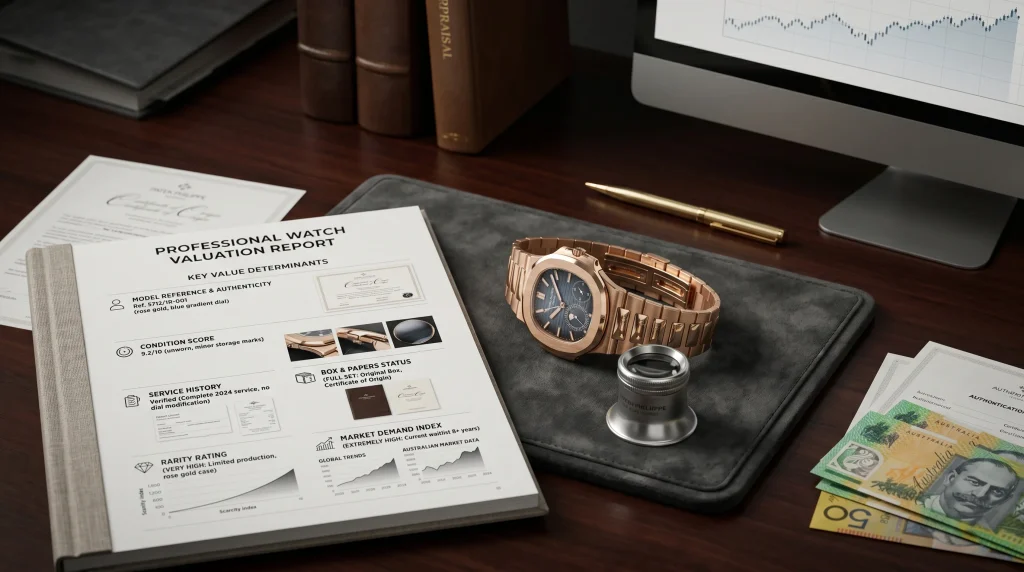
Factors Influencing Resale Value
While Rolex watches generally hold their value well, certain factors can significantly influence their resale price. Rarity, for instance, plays a huge role. Limited edition models, discontinued references, or those with unique dials or features often command a premium. Think of the “Paul Newman” Daytona, an extremely rare variant that fetches millions at auction.
Condition is paramount. A watch that is well-maintained, with original parts and minimal wear, will always fetch a higher price than one that has been heavily used or poorly serviced. “Box and papers, the original packaging and warranty documents are also crucial, as they authenticate the watch and add to its provenance.
Finally, the history of a specific watch, if it has a compelling backstory or was owned by a notable figure, can exponentially increase its value, turning it into a truly unique collectible. These nuances contribute to the diverse pricing you see in the secondary market, but the underlying factor remains Rolex’s intrinsic desirability.
Marketing Mastery and Storytelling
No discussion of Rolex’s cost would be complete without acknowledging its unparalleled mastery of marketing and storytelling. The brand doesn’t just sell watches; it sells an idea, a dream, and a narrative of aspiration that deeply resonates with its target audience. This brilliant communication strategy significantly contributes to the perceived value and ultimately, the price.
The Rolex Mystique
Rolex has meticulously crafted a mystique around its brand, fostering an emotional connection that transcends rational purchasing decisions. They understand that luxury is as much about feeling as it is about function.
Their advertising emphasises timeless elegance, exploration, and success rather than technical specifications. They tap into universal desires for recognition, accomplishment, and belonging.
Owning a Rolex isn’t just about owning a beautiful watch; it’s about aligning oneself with these values, embodying a certain lifestyle, and feeling a sense of accomplishment. This emotional resonance creates a powerful pull, transforming a high-priced item into an object of profound desire. It’s the art of selling not just a product, but a dream.
Targeted Advertising and Sponsorships
Rolex’s advertising is highly targeted and consistently reinforces its image as a brand for the elite. You won’t see Rolex commercials during daytime soap operas or placed next to discount store ads. Instead, they strategically partner with prestigious events like Wimbledon, Formula 1 racing, the Metropolitan Opera, and major golf tournaments. These sponsorships place Rolex squarely in the context of excellence, precision, and peak performance.
Their “Testimonees”, a select group of accomplished individuals from various fields, are not just paid endorsers; they are chosen for their alignment with Rolex’s values of achievement, integrity, and pushing boundaries. Think of Roger Federer, Sir Jackie Stewart, or even the explorers who wore Rolex watches to the deepest oceans and highest mountains. These associations create a powerful halo effect, positioning Rolex as the watch of choice for those who reach the pinnacle of their professions and passions. This targeted exposure ensures the brand maintains its aspirational status.
The “Rolex Moment”: Associating with Milestones and Achievements
Perhaps one of the most brilliant marketing strategies employed by Rolex is the creation of the “Rolex Moment.” This refers to the cultural phenomenon where acquiring a Rolex becomes synonymous with celebrating a significant personal or professional milestone. Graduating from a prestigious university, securing a major promotion, closing a life-changing business deal, or celebrating a significant anniversary, these are often seen as occasions warranting a Rolex.
This positioning transforms the watch from a mere purchase into a tangible symbol of a personal triumph. It’s a reward, a commemoration, and a reminder of hard-earned success. This deep psychological association with achievement gives the watch an added layer of meaning and makes it incredibly desirable. When you buy a Rolex, you’re not just buying a watch; you’re buying into a tradition of celebrating success, a personal trophy that marks a significant chapter in your life’s journey.
Is a Rolex Worth the Investment?
After examining the key reasons behind Rolex’s premium pricing, the answer ultimately depends on personal priorities and appreciation for luxury timepieces.
From a functional standpoint, many watches can keep time just as accurately for far less. However, a Rolex offers far more than basic utility. Its exceptional craftsmanship, precise engineering, and long-lasting materials justify the cost for those who value enduring quality and reliability.
Beyond function, Rolex carries unmatched status and emotional significance. Its heritage and association with achievement elevate it beyond a watch into a symbol of success, often marking personal milestones and hard-earned accomplishments.
Financially, Rolex stands apart from most luxury goods. Many models retain their value, and some appreciate, making ownership feel less like an expense and more like a long-term asset.
Ultimately, a Rolex is worth the investment for those seeking lasting quality, cultural prestige, and a timepiece that delivers both personal satisfaction and enduring value.
The Enduring Allure of a Rolex
The journey through the reasons behind a Rolex’s high cost reveals a tapestry woven from exceptional craftsmanship, pioneering innovation, strategic brand building, and surprising investment potential. So, why are Rolex watches so expensive? It’s clear that the price tag isn’t an arbitrary number, but rather a reflection of a brand that has, for over a century, refused to compromise on any aspect of its creation or presentation.
Beyond the numbers lies the allure: the weight on the wrist, the flawless finish, the quiet confidence of ownership. A Rolex is not just a watch; it is a legacy, an experience, and a symbol that transcends time.
Are you ready to own a piece of history? Explore a wide range of Rolex watches and more atSwiss Watch Dealer and make your next investment one that stands the test of time.